
Hail, wind, sun and snow on the south metro
Parker Colorado Roofing Guide
Plain answers for the week after a storm and the years in between: how claims usually move, which shingles hold up to hail, what your town and HOA will ask for, and how to hire a roofer you will not regret.
- Parker
- Castle Rock
- Lone Tree
- Highlands Ranch
- Castle Pines
- Elizabeth
Sheet 01 / Conditions
Four Forces That Age a Parker Roof
A roof near 6,000 feet on the Front Range takes a different beating than one in a mild coastal city. Hover or tap each force below to see what it does to shingles, flashing and the attic, and what to watch for.
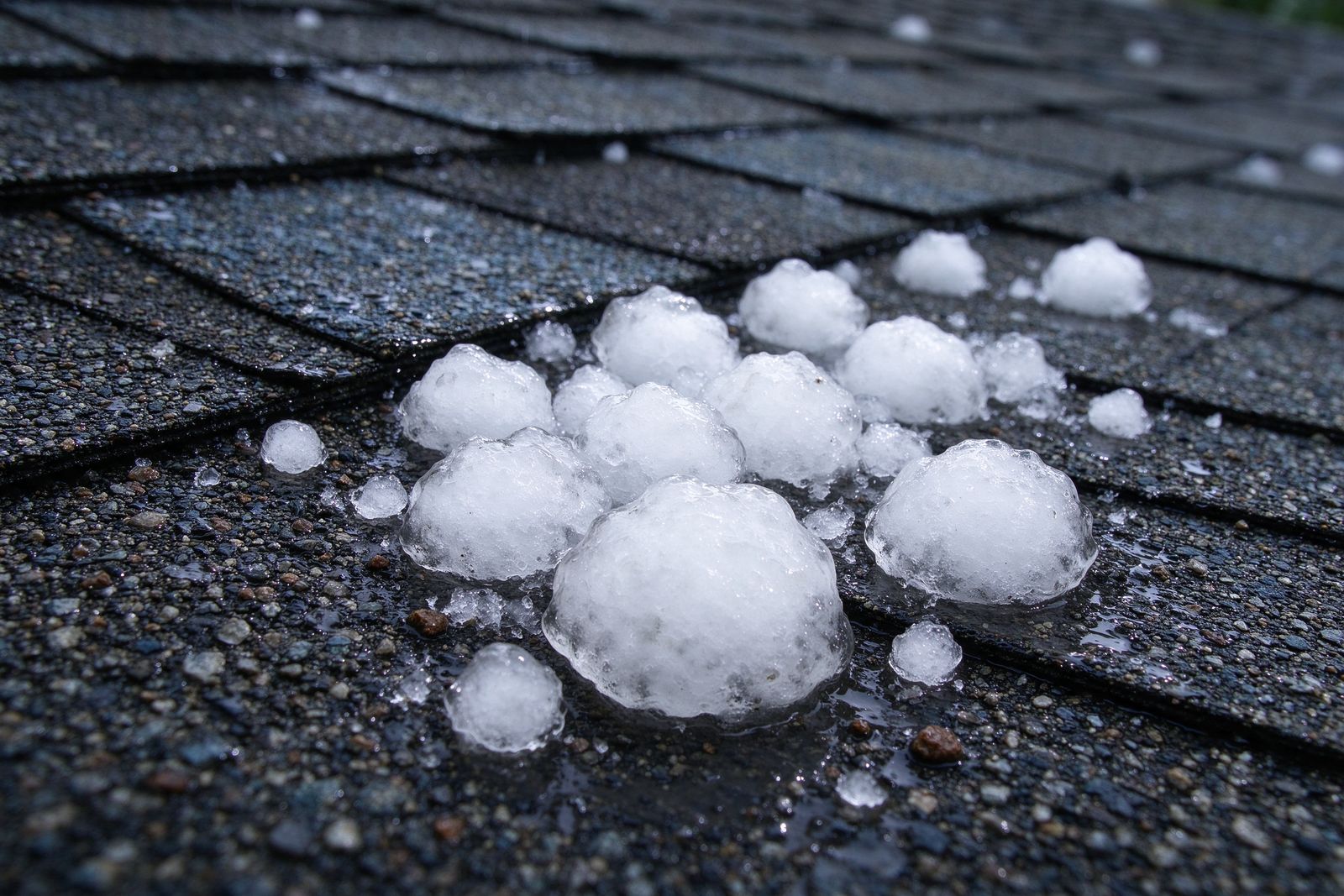
Force 01
Hail
Hail bruises asphalt shingles, knocks granules loose, cracks brittle tile and dents soft metal. Bruising can be invisible from the yard, which is why a hands-on inspection matters more than a drive-by look. Gutters, downspouts, vents and window screens often show hits first.
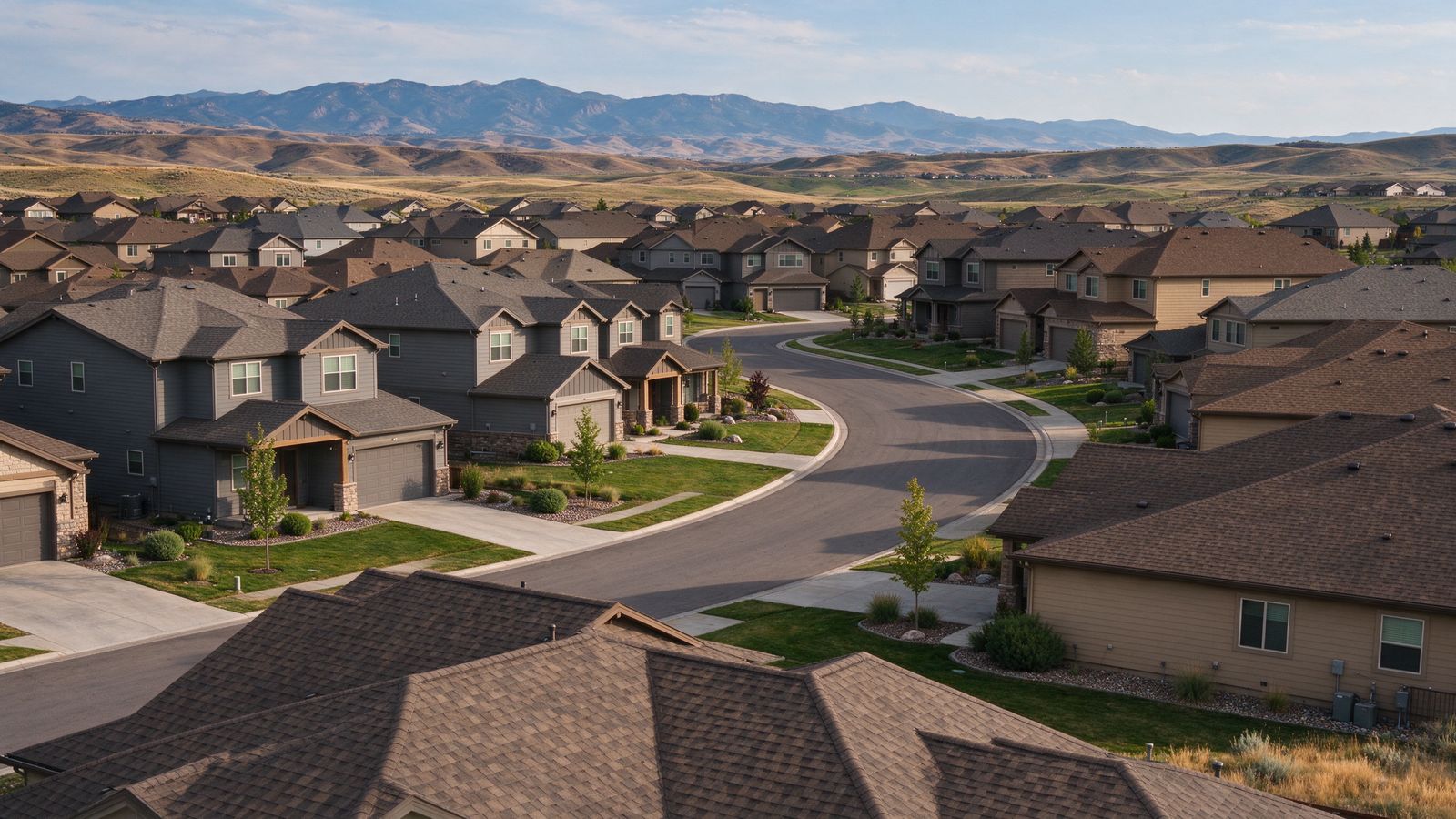
Force 02
Wind
Gusts lift shingle tabs, break the factory seal strip and peel ridge caps. Open ground east of Parker toward Elizabeth gets little shelter. A creased or lifted shingle can leak long before it blows off, so look for lines across the tabs after a strong wind day.
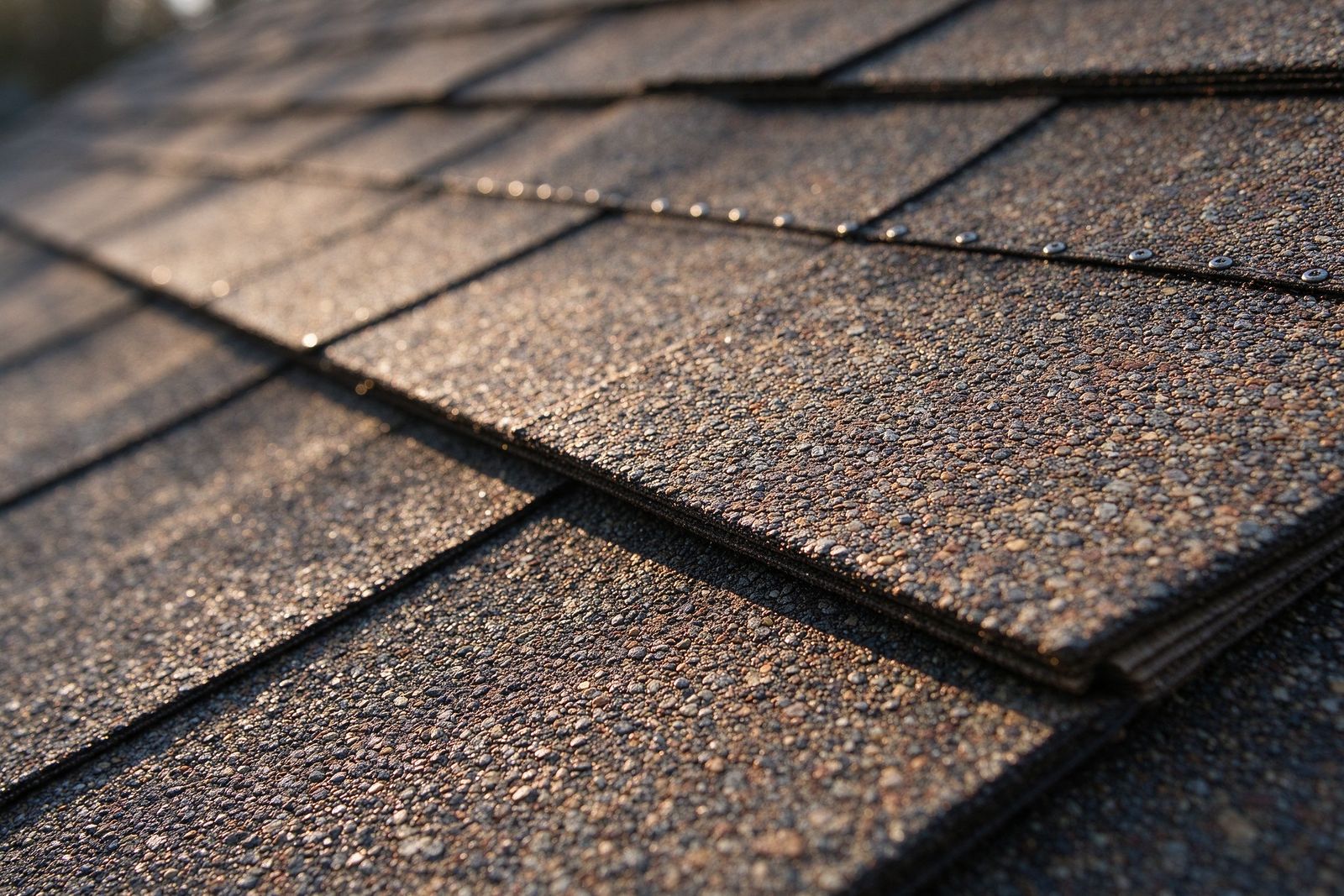
Force 03
Sun
Thin air at altitude lets more ultraviolet light through, and UV is what dries the asphalt and sheds granules over time. South and west slopes usually age first. Bare spots, curling edges and a gutter full of granules are the tell.
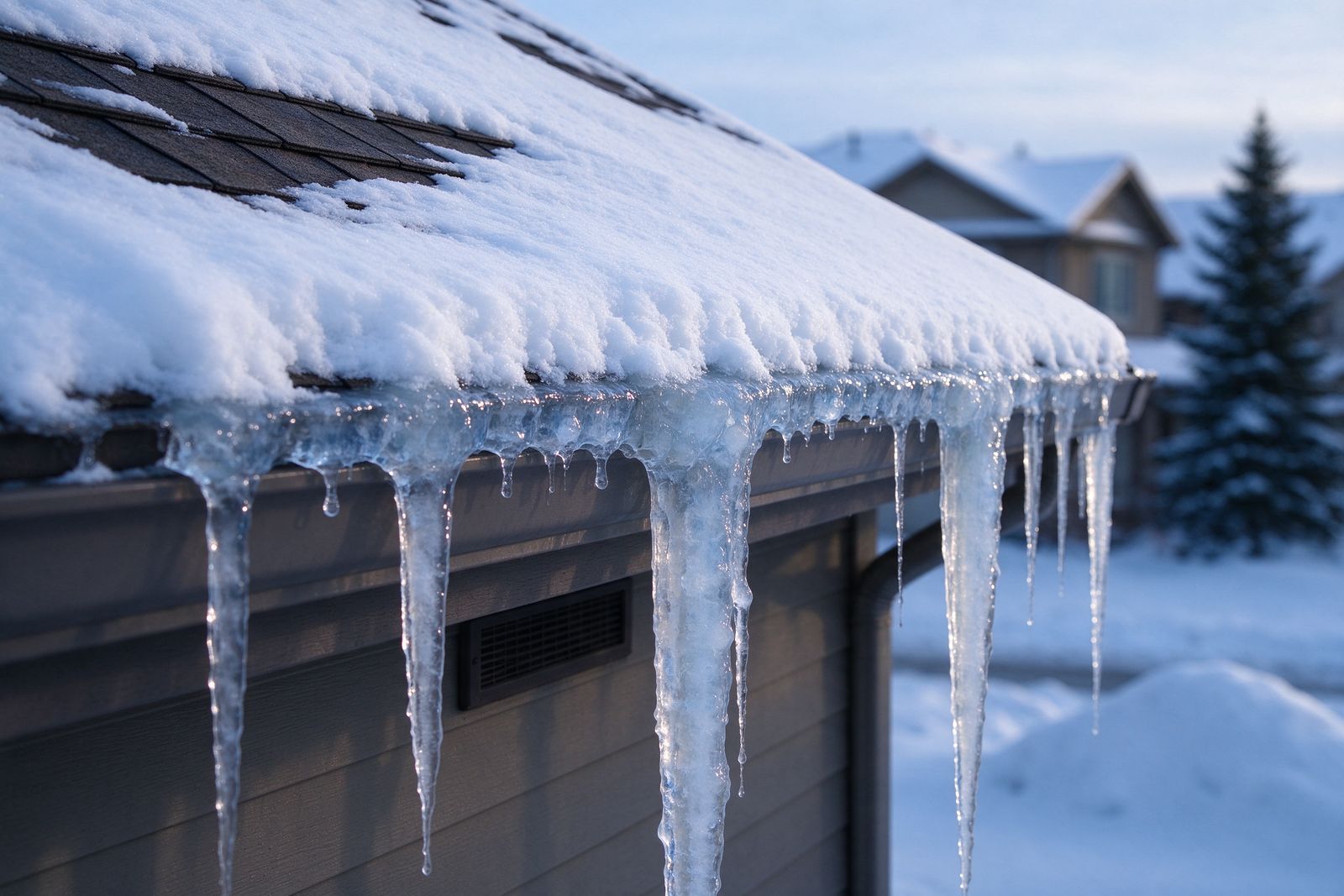
Force 04
Snow and Ice
Sunny days after a snowfall melt the pack, and cold nights refreeze it at the eaves. Warm attics make it worse. The result is ice dams that push water under shingles, plus freeze and thaw cycles that open small gaps around flashing.
After a hailstorm
Five Stages, In Order
Most of the money lost after a storm is lost by doing these out of order: signing before the adjuster visits, or tearing off before anyone photographs the damage. This is the order that protects you.
-
01
The Storm.
Write down the date and time and photograph hail on the ground next to something for scale. Those two details anchor everything that follows.
-
02
The Look.
Check from the ground: gutters, downspouts, vents, screens, the deck rail. Stay off a wet or steep roof. An inspector can walk it once it is safe.
-
03
The Claim.
Read your policy for deadlines and deductible type, then report it. The insurer's adjuster decides coverage. A roofer can point out damage but cannot decide your claim.
-
04
The Bids.
Compare written scopes line by line: tear-off, underlayment, flashing, vents, drip edge, permit. A cheaper bid that skips flashing is not cheaper.
-
05
The Build.
Confirm the permit and any HOA approval before the dumpster shows up, then keep the final inspection record, invoices and warranty papers in one folder.
The guides
Seven Guides for Parker Roofs
Each guide stands on its own. Start with the one that matches what you are dealing with this week, and follow the links when one question leads to the next.
-
How a hail claim usually moves, what to photograph, and how to spot a storm chaser.
Read the hail damage and claims guide → -
What the UL 2218 impact rating does and does not promise on a Front Range roof.
Read the class 4 shingles guide → -
Asphalt, stone-coated steel, standing seam, concrete tile and synthetics against hail, wind and UV.
Read the roofing materials compared guide → -
Why ice builds at the eaves and how intake, exhaust and air sealing stop it.
Read the ice dams and ventilation guide → -
A decision tool and the signs that separate a patch from a new roof.
Read the repair or replace guide → -
Town permits, covenant color approval and Colorado roofing contract basics.
Read the permits, hoa and contracts guide → -
Questions to ask, red flags, and what a solid written proposal contains.
Read the choosing a roofer guide →
The first 48 hours
Hail Hit Last Night. Start Here.
Tick these off as you go. Your progress stays in this browser, so you can come back after the adjuster calls. None of it requires climbing a ladder.
The full walk-through, including how claims usually move and how to spot a storm chaser, is in the Parker hail damage roof claims guide.
How it usually runs
A Roof Replacement, Step by Step
Every roofer and every insurer has its own rhythm, but the sequence in Douglas and Elbert counties tends to look like this. Knowing it keeps you from paying for a step twice.
- 01
Inspection and photos
Someone walks the roof, checks the attic and photographs the damage or wear. Ask for the photos. A report you cannot see is an opinion, not evidence.
- 02
Written scope
The proposal lists materials, tear-off, underlayment, flashing, ventilation and clean-up. Compare scopes before you compare totals.
- 03
Insurance, if there is a claim
The adjuster inspects and the insurer issues an estimate. Differences between that estimate and the roofer's scope are handled through the insurer, in writing.
- 04
Permit and HOA approval
The roofer usually pulls the building permit. You usually handle HOA color and material approval. Both should be done before tear-off.
- 05
Tear-off and install
Old layers come off, the deck is checked, then underlayment, flashing, shingles and vents go on. Ask how they protect landscaping and catch nails.
- 06
Final inspection and paperwork
The town or county signs off where a permit applies. Keep the final invoice, lien waivers, permit record and warranty registration together.
Where this guide applies
Six Communities, Six Rulebooks
Hail does not stop at town lines, but permits and covenants do. Who issues your permit depends on whether you live inside a town or city or in unincorporated county land, so check the address before you assume.
Parker
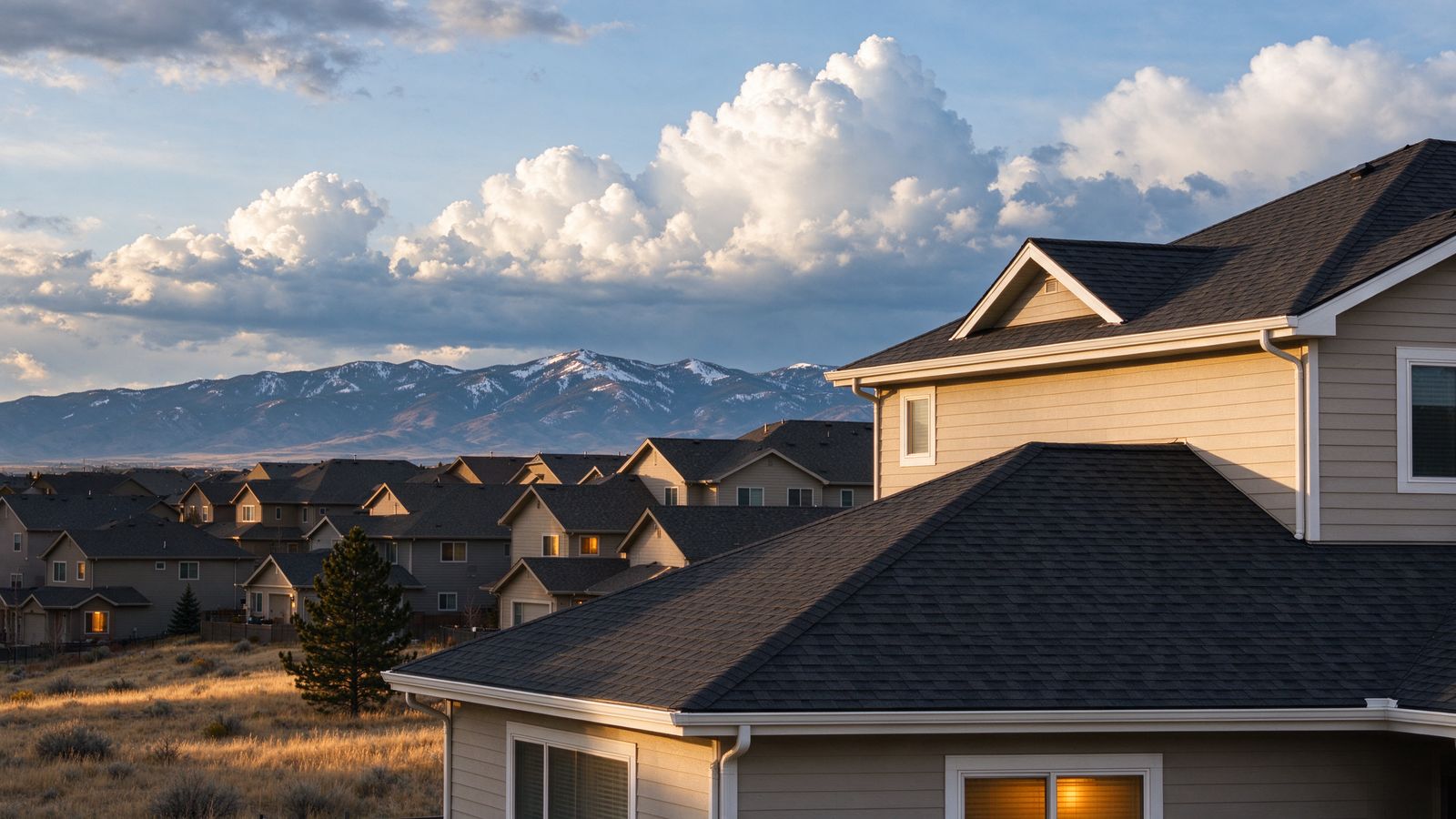
The Town of Parker runs its own building division, so a reroof permit question goes to the town, not the county. Many Parker subdivisions also have HOA design rules on shingle color and profile. Rules change, so confirm with the office before work starts.
Castle Rock
The Town of Castle Rock issues its own building permits. Newer neighborhoods often have covenants that list approved roof colors, so get the HOA answer in writing before you pick a shingle. Rules change, so confirm with the office before work starts.
Lone Tree
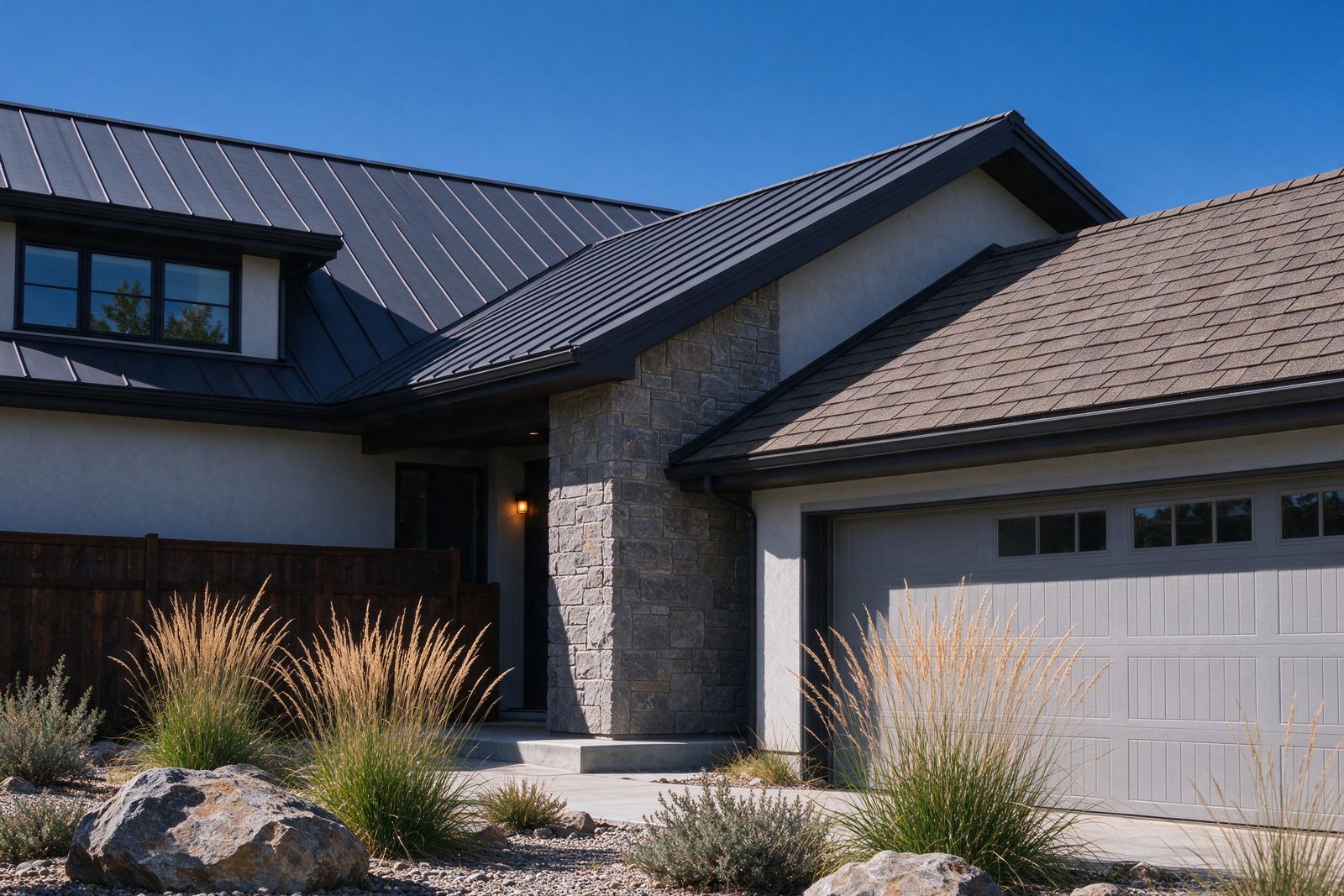
Lone Tree is its own city. Ask the city about permits and inspections for a reroof, and check your neighborhood association for material and color rules. Rules change, so confirm with the office before work starts.
Highlands Ranch
Highlands Ranch is unincorporated Douglas County, so building permits come from the county. The Highlands Ranch Community Association handles covenant and design review for most homes. Rules change, so confirm with the office before work starts.
Castle Pines
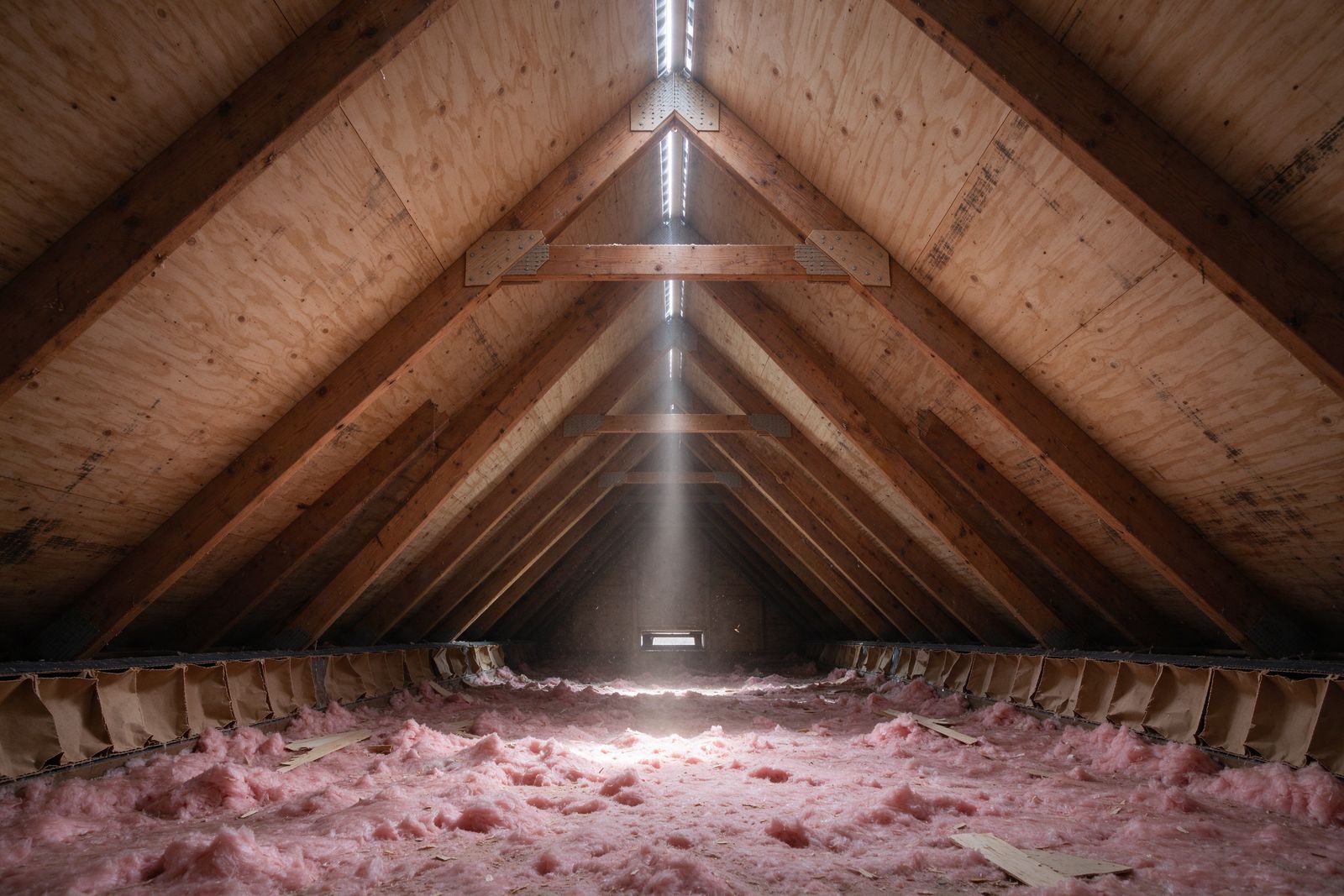
The City of Castle Pines handles permits inside city limits. Many neighborhoods sit under a master association with its own architectural guidelines, so plan for an approval step. Rules change, so confirm with the office before work starts.
Elizabeth
Elizabeth is in Elbert County, east of Parker on more open ground. Inside town limits ask the Town of Elizabeth about permits; outside them, Elbert County is usually the place to check. Rules change, so confirm with the office before work starts.
More on this in the Parker roof permits and HOA approval guide.
Inspection request
Want Someone to Look at Your Roof?
Tell us the town, what you noticed and whether a claim is open. We reply by email. Sending a request does not hire anyone or commit you to anything.
Request a roof inspection